2026-10-11 ·
How Hurricanes Damage Roofs in Mount Pleasant
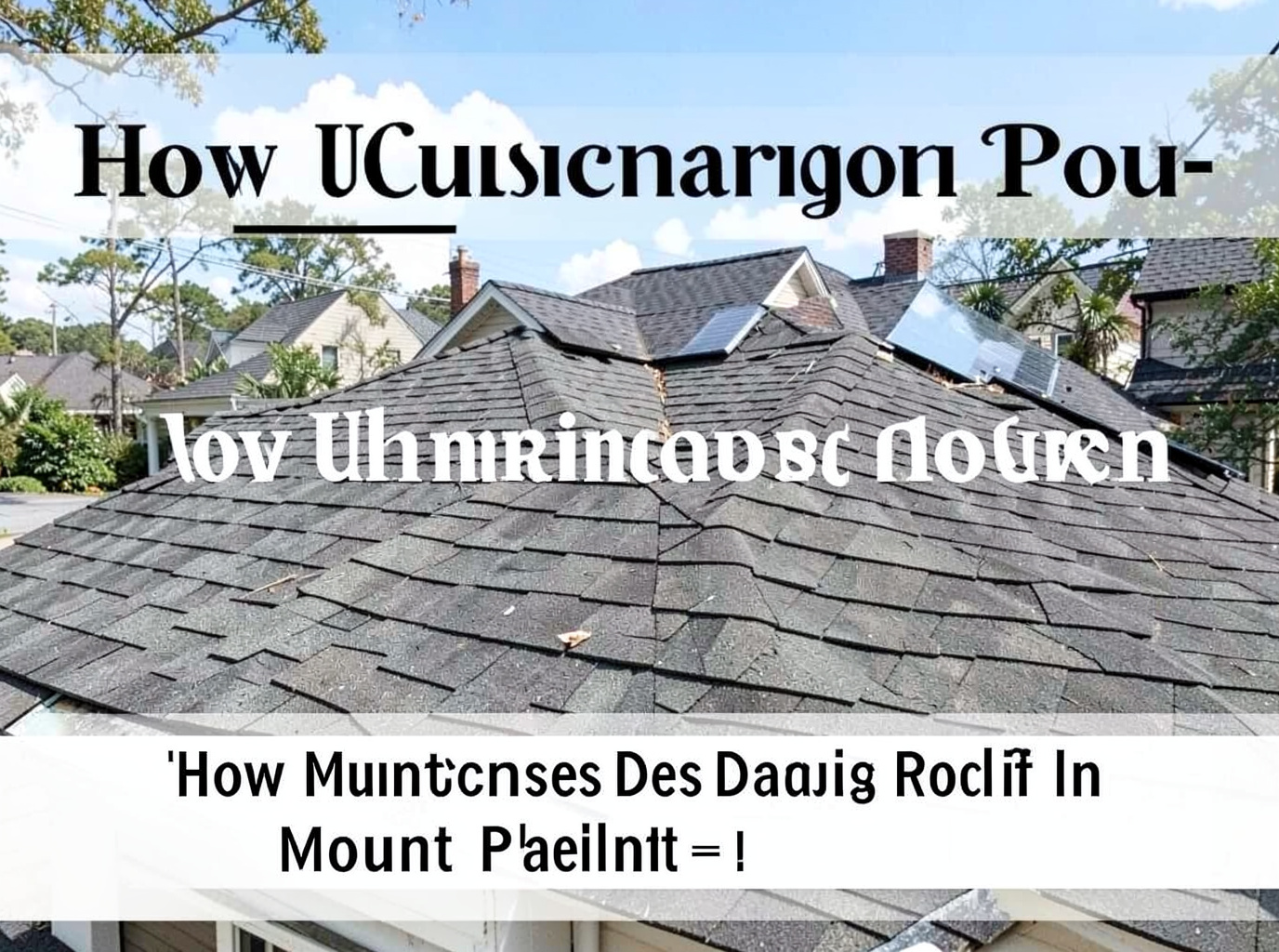
Hurricanes damage roofs in Mount Pleasant primarily by generating sustained winds that lift and tear shingles while driving heavy rain into seams and flashing, with older homes in Old Village and near Shem Creek seeing the most immediate failures during peak storm seasons.
Wind Uplift on Shingle and Metal Roofs
Hurricanes produce sustained winds that create negative pressure across roof surfaces, pulling shingles upward at the edges first. In neighborhoods like I'On and Park West, many homes built in the last 20 years use architectural shingles that can withstand lower gusts but fail when winds exceed typical thresholds for extended periods. The humid subtropical climate means these storms often arrive with high moisture content that softens asphalt and weakens adhesive strips over time. Homeowners in Dunes West frequently report entire ridge sections lifting after a single event because prevailing winds align with the roof slope. Wind damage compounds when vents and pipe boots loosen, creating entry points that allow water to reach the decking beneath. Local roofers see consistent patterns where south-facing slopes on homes near the Arthur Ravenel Jr. Bridge take the brunt of initial gusts before the storm tracks inland toward Charleston County.
Driving Rain and Flashing Failures
Once winds breach the surface, rain is forced horizontally under step flashing and around skylights at rates that overwhelm standard underlayment. Properties along Shem Creek experience additional stress from wind-driven rain combined with tidal push, allowing water to pool against low-slope transitions common in waterfront construction. Boone Hall Plantation area homes with older wood shake accents show accelerated rot at valleys because the rain penetrates faster than drainage can handle. This process often begins hours before the eye passes and continues as the storm moves toward Isle of Palms and Sullivan's Island. The result is interior staining that appears days later when trapped moisture migrates downward through insulation. Proper sealing at these points requires attention to the specific exposure each elevation faces during a typical late-summer or early-fall system.
Debris Impact and Secondary Damage
Flying branches, signs, and loose roofing material from neighboring structures create punctures that allow immediate water entry even when the membrane itself remains intact. Homes in Park West and Dunes West sit near tree lines that become projectiles once winds topple limbs onto ridge lines and valleys. After the storm passes, residual moisture trapped under lifted shingles promotes algae growth accelerated by the region's hot summers, shortening the remaining service life of the roof. Residents near Patriots Point often notice small dents in metal panels that later develop into corrosion spots when salt air mixes with standing water. These impact points frequently go unnoticed until the next heavy rain event reveals leaks weeks or months afterward.
Post-Hurricane Leak Pathways in Charleston County
After winds subside, many Mount Pleasant roofs develop slow leaks at previously minor gaps around vents and skylights that widened during the event. The mild winters allow these leaks to persist without freezing, giving moisture time to saturate decking in homes throughout Old Village and I'On. Checking for lifted shingles and compromised flashing immediately after landfall prevents larger interior repairs later. Readers facing active leaks can review the steps in What to Do When Your Roof Is Leaking Right Now (Emergency Steps). Properties that sustained wind damage often benefit from targeted storm damage roof repair or wind damage roof repair before the next season. Cost considerations for these repairs appear in the Roof Leak Repair Cost in Mount Pleasant (2026 Price Guide).